
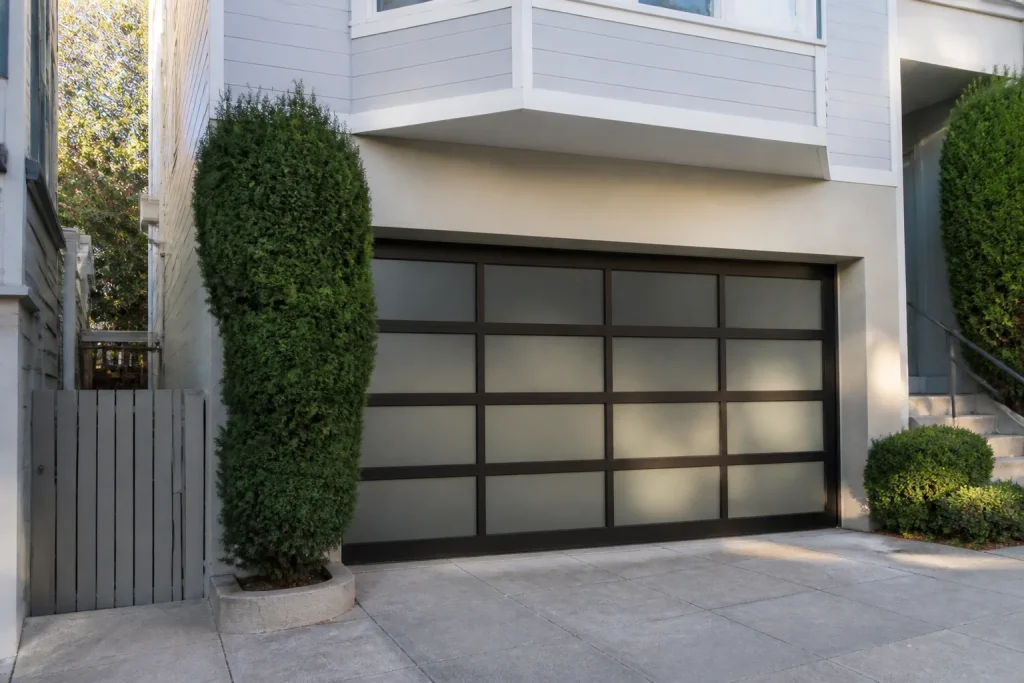
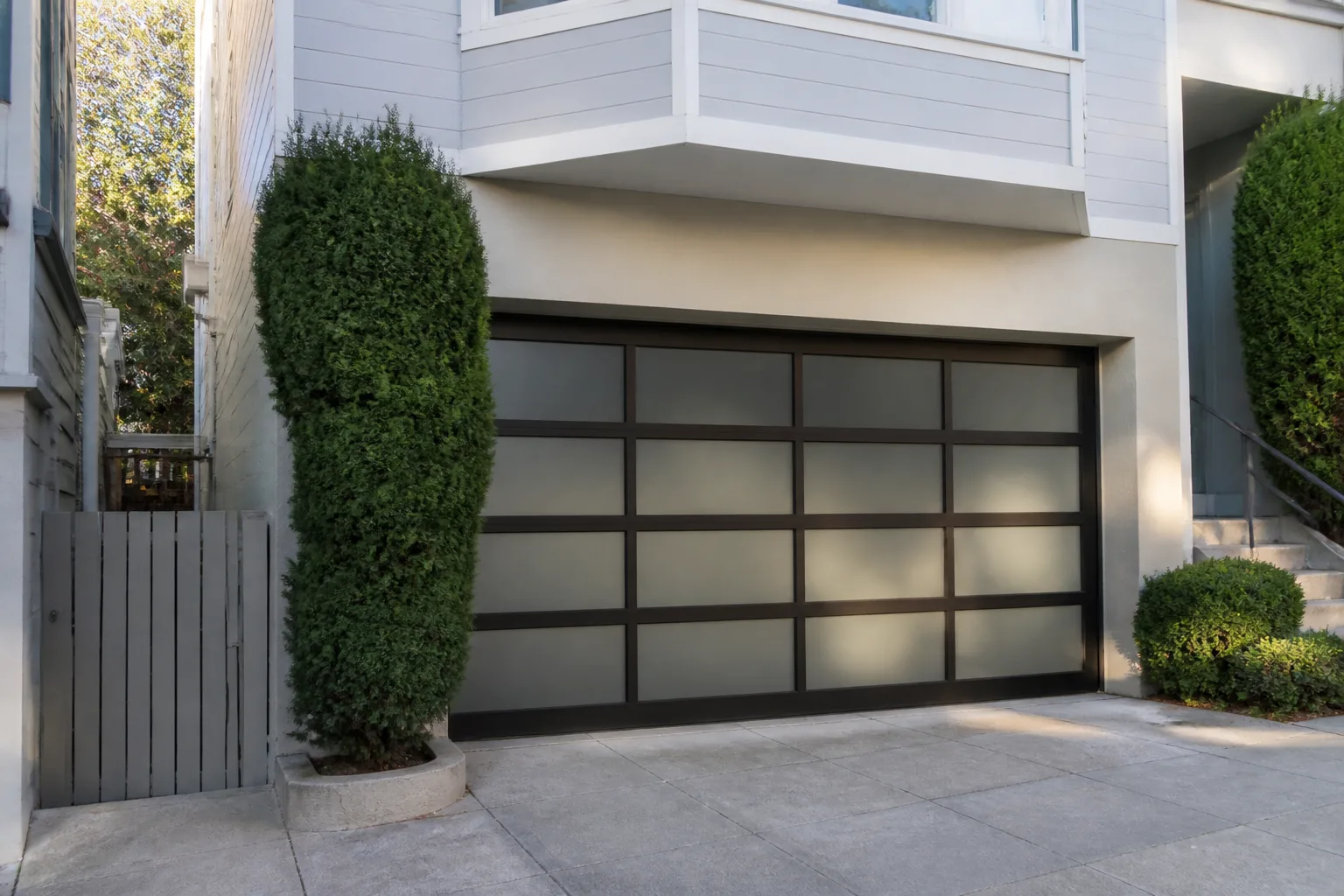
Raynor Garage Door Repair in San Francisco: A Homeowner’s Guide
Raynor garage door repair in San Francisco typically runs $220–$480 depending on whether you’re dealing with a spring failure, opener issue, or panel damage. Because Raynor operates through a dealer-only distribution network, generic parts from hardware stores won’t fit, and technician brand experience matters more than with widely available brands like Clopay or Amarr. If you’d rather not sort out model numbers and warranty paperwork yourself, call us at (833) 392-0116 — estimates are free.
Here’s what most San Francisco homeowners don’t realize until their Raynor door breaks: you can’t walk into Home Depot and grab a replacement torsion spring or bottom bracket for this brand. Raynor built its reputation on commercial-grade hardware and controlled distribution, which keeps quality high but makes DIY repairs nearly impossible. We’ve spent 12 years in the San Francisco garage door trade, and the Raynor calls we get — especially from live-work lofts in SoMa and mixed-use buildings in the Mission — almost always start with the same confusion: “Why can’t anyone tell me what parts I need?”
Why Raynor’s Dealer Model Changes Everything for Repairs
Raynor doesn’t sell through big-box retailers. Their doors and components move through authorized dealers and certified technicians only. For homeowners, this means two things: the hardware is built to tighter tolerances than mass-market brands, and finding the right part requires someone with direct Raynor experience.
We’ve seen the consequences when inexperienced techs try to substitute generic parts on a Raynor system. A technician unfamiliar with the brand might install a standard torsion spring with the wrong wire gauge or cycle rating, and six months later the homeowner in Noe Valley is calling again with the same failure. The door might work temporarily, but the winding cone fit, spring geometry, and cable drum alignment all matter on Raynor hardware.
This dealer-only structure also affects how warranty claims work. Raynor honors its warranties through the original installing dealer or an authorized service provider. If you bought your home with an existing Raynor door and don’t know who installed it, you’ll need a technician who can document the model, verify warranty status, and source parts through proper channels. That’s not a paperwork formality — it’s the difference between a covered repair and a full-price replacement.
How to Identify Your Raynor Model Before Calling
Most San Francisco homeowners have no idea what Raynor model they own until something breaks. Here’s how to find what you need in about two minutes:
- Check the sticker location: Raynor places its model and serial stickers on the interior side of the door, usually on the top section or on the track near the opener rail. For older Raynor doors in Victorian conversions or pre-war buildings in the Richmond, the sticker may be faded — photograph it in good light and zoom in.
- Note the door dimensions: Measure width and height precisely. Raynor’s residential lines include the Aspen, Advantage, and Distinction series, but commercial models like the Renegade or Torsion-Flex show up frequently in San Francisco’s mixed-use buildings.
- Photograph the spring system: Is it a standard torsion setup, a Wayne Dalton-style TorqueMaster (which Raynor used on some lighter residential doors), or a commercial-grade high-cycle system? The spring hardware tells us more than the panel style sometimes.
- Check the opener brand: Raynor doors pair with various openers, but if you have a Raynor-branded operator, it’s likely a rebranded LiftMaster or Chamberlain with specific rail geometry.
Having this information ready when you call saves a trip charge and lets us pull the right parts before we leave the shop. We’ve made same-day repairs in the Sunset District simply because the homeowner had a clear photo of the sticker and spring tag.
Raynor Spring Systems: What Makes Them Different
Raynor’s torsion spring systems differ from Clopay or Amarr in ways that matter for repair pricing and longevity. The spring wire is often a heavier gauge for equivalent door weights, and the winding cones are proprietary — not interchangeable with standard cones you’ll find on generic repair trucks.
In San Francisco’s climate, we see a specific pattern: Raynor springs in homes near the Pacific, where salt air and moisture are constant, tend to develop surface corrosion faster than inland installations. The springs don’t necessarily break sooner, but the corrosion changes how they fatigue. We’ve replaced Raynor springs in the Outer Sunset that looked intact but had developed micro-cracking from salt exposure, while identical springs in Noe Valley lasted two years longer.
The other difference is cycle rating. Raynor offers standard 10,000-cycle springs and upgraded 25,000-cycle or 50,000-cycle options on commercial and heavy-duty residential doors. If your live-work loft in the Mission has a Raynor door with a high-cycle spring and a budget technician installs a standard replacement, you’re looking at premature failure and potentially damaged hardware. The door will feel fine for months, then the spring snaps and the cables whip through the drums.
Safety note: Torsion springs store massive energy. We’ve seen homeowners in the Bayview try to wind their own springs after watching online tutorials, and the results range from stripped hardware to serious injury. If your spring is broken or your door feels heavy to lift manually, stop using it and call a trained technician. The hardware isn’t forgiving, and Raynor’s heavier spring gauges make DIY winding especially dangerous.
Commercial-Grade Raynor in San Francisco’s Mixed-Use Buildings
San Francisco’s zoning creates a unique repair category: live-work lofts, ground-floor commercial with residential above, and converted warehouses in Dogpatch or the Mission. Many of these buildings have Raynor commercial or heavy-duty residential doors that don’t behave like standard home systems.
The differences are practical, not theoretical. Commercial Raynor doors use heavier-gauge track, often 2-inch or 3-inch vertical track instead of residential 2-inch. The rollers are steel, not nylon. The spring system might be a duplex or triplex configuration — multiple springs sharing the load — rather than a single torsion tube. An technician who treats these like a standard residential door will misdiagnose the problem or install undersized parts.
We serviced a Raynor Torsion-Flex system in a Potrero Hill live-work building last month where the previous company had installed residential-grade cables on a commercial drum. The cables frayed in eight weeks because they couldn’t handle the drum’s wrap pattern. The homeowner paid twice for the same repair. Commercial Raynor hardware demands commercial-rated replacement parts, and the technician needs to recognize the difference on sight.
Raynor Warranty Coverage: What to Pull Together
Raynor’s warranty structure is solid but specific. Most residential doors carry a limited lifetime warranty on the door sections against rust, delamination, or splitting, with shorter terms on hardware, springs, and finish. The catch: coverage requires documentation and often routes through the original dealer or an authorized service provider.
Before you call for a warranty-related repair, gather:
- Your original purchase documentation or closing paperwork if the door came with the home
- The model and serial number from the interior sticker
- Photos of the defect — rust-through, panel separation, finish failure
- Installation date if known, since some coverage is prorated after year one
If you don’t have the original paperwork, a technician with Raynor experience can sometimes verify warranty status through the model serial range and manufacturing date code. We’ve helped homeowners in the Marina get section replacements covered at 80% because we could document the manufacturing batch and known defect pattern.
One note: Raynor’s finish warranty on custom colors — common in San Francisco’s architect-sensitive neighborhoods — is often shorter than the base warranty and may exclude coastal exposure. If your Pacific Heights Raynor door is chalking or fading after four years, the finish warranty may have expired even if the door structure is still covered.
When to Call a Pro for Your Raynor Door
Some garage door issues are maintenance items you can handle. Lubricating the rollers and hinges with a silicone-based product, clearing track debris, testing the auto-reverse — these are homeowner tasks. But Raynor’s proprietary hardware crosses the line into professional territory quickly.
Call a technician if: the door won’t stay open, makes a loud bang (likely spring failure), reverses for no clear reason, has a broken cable, or the opener strains but doesn’t move the door. On Raynor systems, these symptoms often point to specific component failures that generic parts won’t fix correctly.
Related services in San Francisco: If you’re considering whether to repair or replace, our Garage Door Repair in San Francisco page breaks down repair-versus-replace decision points by door age and failure type. For full system upgrades, see our Garage Door Installation in San Francisco options.
The Bottom Line
Raynor builds a quality door, but that quality comes with a closed ecosystem of parts and expertise. In San Francisco’s mix of Victorian conversions, modern condos, and commercial-residential hybrids, we’ve learned that Raynor repairs go smoothest when the technician knows the brand before arriving. The model sticker, spring type, and warranty status aren’t bureaucratic details — they’re what separate a lasting fix from a repeated callback.
At Blueridge Garage Door San Francisco, Brian and his team have worked on Raynor systems across the city for 12 years. We source proper Raynor components, handle warranty documentation, and won’t substitute generic parts that compromise your door’s safety or longevity. If you’re in San Francisco and need help with a Raynor repair, call (833) 392-0116 for a free estimate.
Frequently Asked Questions
Most Raynor repairs in San Francisco run $220–$480. Spring replacement typically falls in the $240–$380 range, opener repairs $180–$320, and panel or section work $280–$550 depending on whether the section is still manufactured. Raynor’s dealer-only parts add 15–25% to material costs compared to generic brands, but the fit and cycle rating are correct. Call (833) 392-0116 for an exact quote — estimates are free.
Technically yes, but practically no. Raynor’s proprietary springs, brackets, and track hardware don’t accept generic substitutions well. A technician without Raynor experience may install parts that function temporarily but fail prematurely or damage adjacent components. We’ve re-repaired doors in the Mission and Sunset where inexperienced techs used standard cones on Raynor torsion tubes — the fit was close enough to install, wrong enough to destroy the cable drums in weeks.
Check your original purchase paperwork for installation date and dealer information, then photograph the model/serial sticker on the door’s interior. Raynor’s residential warranties typically cover door sections for limited lifetime, hardware for 1–3 years, and springs for 1–5 years depending on the upgrade option purchased. If you lack paperwork, a technician can sometimes determine warranty status from the serial number’s manufacturing date code. Gather your documentation before calling — it speeds the verification process significantly.
Springs fail from cycle count, corrosion, or incorrect sizing at installation. In San Francisco, coastal moisture accelerates surface corrosion even on galvanized springs, and salt air in neighborhoods like the Outer Sunset or Bayview can reduce effective spring life by 20–30%. High-cycle springs (25,000 or 50,000 cycles) last longer but cost more upfront. If a previous technician installed a standard 10,000-cycle spring on a heavy or frequently used door, premature failure is predictable. We assess door weight, usage pattern, and environmental exposure before recommending spring grade.
Written by Brian Whitfield, Founder & Master Technician at Blueridge Garage Door San Francisco, serving San Francisco since 2014.
Need Garage Door Help?
Call Blueridge Garage Door San Francisco — licensed & insured, here with fast after-hours help in San Francisco.
(833) 392-0116